Flat Tire Assistance in the Greater Phoenix Area: What to Expect From a Mobile Service
A flat tire rarely happens at a convenient time. In the Greater Phoenix area, it tends to happen on a shoulder with fast traffic, in a retail parking lot after dark, or in a driveway when you are already late. The heat changes the equation, too. What feels like a minor delay on a mild day can turn into a real safety issue when pavement temperatures are extreme and shade is hard to find.
That is why flat tire assistance matters so much here. A good mobile roadside assistance provider does more than swap a wheel. They bring judgment, speed, and a practical understanding of what actually works on Arizona roads. If you are searching for roadside assistance near me, or trying to compare roadside assistance Phoenix with roadside assistance Gilbert AZ, it helps to know what mobile service can realistically do, what information to have ready, and when a flat tire is only part of a bigger problem.
Why Phoenix drivers use mobile roadside assistance so often
Greater Phoenix puts unusual stress on tires. Long commutes, high summer heat, construction debris, underinflation, and abrupt curb impacts all add up. It is common to see tire failures caused by nails and screws, but in practice, plenty of calls come from sidewall bubbles, shredded tread after driving on a low tire, or spare tires that were never checked and are flat themselves.
The region’s layout also matters. Distances are longer than many visitors expect. A driver in central Phoenix, a family in Gilbert, and a commuter stranded along the Loop 202 may all be “in town,” but they are not dealing with the same access points, traffic flow, or response conditions. Mobile roadside assistance fills the gap between what a driver can handle alone and what requires a tow shop or full repair facility.
A lot of people start with a search like flat tire repair near me or emergency roadside assistance near me because the problem feels urgent and they want the fastest option. That urgency is understandable, but not every mobile provider offers the same level of help. Some will only install your spare. Some can inspect the damaged tire, inflate the spare if it is low, and help determine whether you are safe to drive to a tire shop. Others offer broader emergency breakdown service and can also handle a dead battery, lockout, or fuel issue if the original problem turns out to be something else.
What a mobile flat tire service usually does on scene
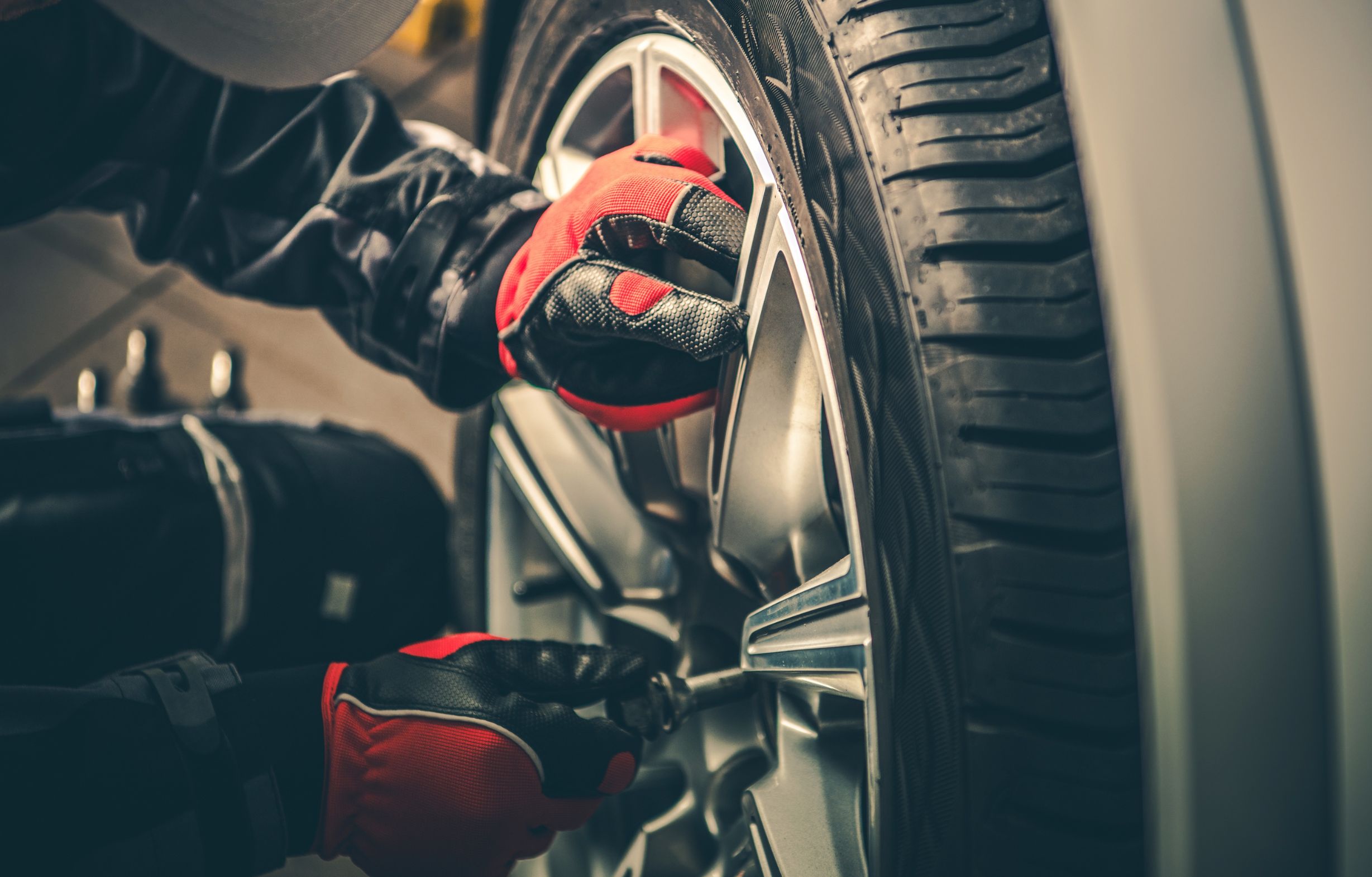
In most real-world cases, a mobile technician arrives with the tools needed to stabilize the vehicle, remove the damaged wheel, and mount the spare if the spare is usable. That sounds simple until you factor in seized lug nuts, aftermarket locking wheel keys, cars parked too close to curbs, or trunks packed so tightly that nobody can reach the jack.
Experienced techs account for those issues quickly. They check whether the ground is stable, whether the vehicle can be lifted safely, and whether the spare is actually roadworthy. A temporary spare with cracked rubber or very low pressure is not much help. If the wheel was damaged by a pothole or curb strike, the spare may go on but vibration can still make the car unsafe at speed. In those cases, honest providers say so.
Many drivers expect on-site patching, but that is not always the right service on the shoulder of a road. A puncture in the tread area may be repairable later at a shop, but a sidewall puncture, a split bead, or damage from driving while flat is a different story. A responsible mobile service will not promise a repair when replacement is the only safe answer.
In Phoenix, heat also affects working conditions. If a vehicle has been driven on an overheated tire for too long, the internal damage may be severe even if the hole looks small from the outside. That is one reason skilled flat tire assistance is worth more than a generic quick fix.
The call itself, what the dispatcher needs from you
The fastest roadside calls usually start with clear information. If you have ever watched two people spend five minutes trying to describe which corner of a giant shopping center they are parked in, you know how much time gets lost before a technician even starts driving.
When you call for emergency roadside assistance, the dispatcher usually needs your location, your vehicle details, and a plain description of what happened. “My tire is flat” helps, but “front passenger tire is flat, car is in a gated apartment garage with 7-foot clearance, spare is in trunk” helps much more. If you are on a freeway shoulder, direction of travel matters. If you are in a neighborhood in Gilbert or Mesa with similar street names, cross streets matter.
Photos can speed things up as well. A picture of the flat tire, the spare, and your parking position can save back-and-forth questions. If you have locking lug nuts, mention whether you have the key. If you do not know, say so. That detail changes what can happen on site.
Response times in the Greater Phoenix area
People naturally want an exact answer to “How long will it take?” but real response times depend on location, traffic, weather, and call volume. In central areas, a normal call may get a fairly quick arrival, especially during daylight and moderate traffic. In outlying parts of the metro, during rush hour, or in severe heat when call volume spikes, wait times can stretch.
There is also a difference between urgency and danger. A flat in a secure parking lot is inconvenient. A flat on a freeway shoulder in afternoon heat is a higher-risk situation, and many reputable providers triage those calls accordingly. Some mobile roadside assistance teams can dispatch faster to exposed highway locations or coordinate with towing partners if the vehicle is not safe to service on site.
If you are searching roadside assistance Phoenix or roadside emergency roadside assistance assistance Gilbert AZ, one useful question is whether the company has technicians already circulating in your part of the valley. Local coverage often matters more than polished advertising. A provider with strong valley-wide dispatch can usually give more realistic ETAs than one relying on a distant subcontractor.
Safety comes first, especially on high-speed roads
A flat tire on a neighborhood street is one thing. A flat on Interstate 10, US 60, Loop 101, or State Route 51 is another. Traffic moves fast, shoulders can be narrow, and drivers passing a stopped vehicle do not always move over as they should.
If the tire fails at speed, getting off the travel lane is the first priority. Sometimes that means driving a short distance on the damaged tire to reach a safer shoulder or exit. Drivers worry, reasonably, about ruining the tire or wheel, but in a high-risk traffic situation, personal safety takes precedence. Once you are stopped, hazard lights should go on, and everyone who can exit safely should move away from traffic and stand well clear.
A good mobile service will tell you plainly if your location is unsafe for a roadside tire change. There are situations where the best answer is towing the car from the shoulder rather than trying to lift it inches from moving traffic. That may not be the answer a stranded driver wants to hear, but it is often the correct one.
Spare tires are often the weak link
One of the most common surprises on a flat tire call is not the damaged tire, it is the condition of the spare. Temporary spares sit untouched for years. Full-size spares are often buried under tools, sports gear, and strollers. Owners assume the spare is ready until someone checks pressure and finds it far below usable range.
In the field, that changes the service from a quick swap to a more careful assessment. Some mobile units carry air equipment and can inflate a low spare if the spare itself is sound. If the spare is cracked, punctured, or missing entirely, the solution may shift toward towing or helping the driver reach a tire shop another way.
There is also confusion about what a temporary spare can do. A compact donut spare is designed for limited speed and distance. It is not a regular replacement tire, and in Phoenix heat, pushing it beyond its limits is asking for another failure. A technician who installs a temporary spare should explain those limits clearly. If they do not, ask.
What separates a strong provider from a mediocre one
Flat tire assistance looks similar from the outside. A vehicle pulls up, a technician unloads tools, and a wheel gets changed. The difference is in how the company handles the details.
A strong provider verifies your exact location, gives a realistic ETA, asks about the spare before dispatch if possible, and arrives prepared for common complications. The technician works methodically, checks the spare, torques lug nuts correctly, and gives practical guidance before leaving. If the situation is not safely fixable on site, they explain why without guessing or overselling.
A weaker service often sounds fast on the phone and then stumbles once on scene. Missing tools, poor communication, no air for the spare, uncertainty around locking lugs, or no clear answer about next steps can turn a straightforward call into a drawn-out headache.
That same distinction matters across other roadside problems, too. Many drivers who search jump start service near me later discover the battery issue was actually caused by a damaged tire stop, a wheel well problem, or another mechanical fault. Others call for flat tire assistance but end up needing fuel delivery near me or car lockout service near me because the stress of the breakdown creates a second problem. Companies that handle mobile roadside assistance comprehensively are usually better equipped for those real-life overlaps.
When the problem is not just a flat tire
Breakdowns are messy. The original issue is not always the only issue. I have seen drivers discover a dead battery after changing a flat because hazard lights drained an already weak battery. I have seen families lock keys in the trunk while trying to unload the spare. I have seen motorists run out of fuel after circling for help in an unfamiliar area.
That is why full-service emergency roadside assistance is valuable. If your provider can also offer car jump start service, emergency fuel delivery, and vehicle lockout service, you do not need to start over with a new company when the situation changes.
These are the most common add-on services people end up needing during a roadside event:
- Battery help, including a jump start service near me when the car will not restart after the tire issue is handled.
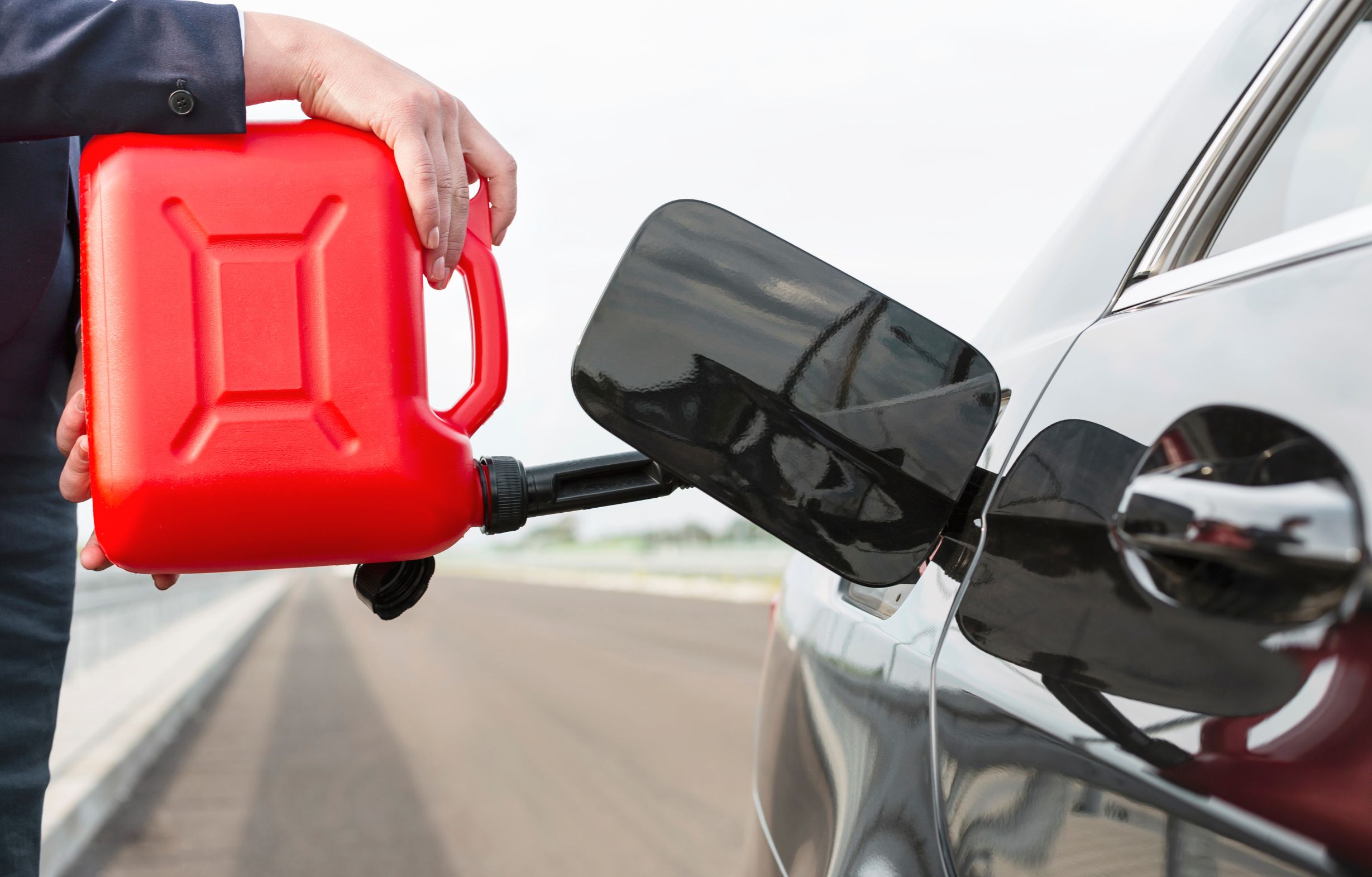
- Emergency fuel delivery for drivers who misjudged range while trying to reach a safer stop.
- Car lockout service near me when keys end up inside the cabin or trunk during the scramble.
- Towing or upgraded emergency breakdown service if the wheel, suspension, or spare makes continued driving unsafe.
- Basic air support or inflation checks for a spare that has gone soft over time.
That broader coverage matters in a spread-out metro like Phoenix. One dispatch number that can pivot from flat tire assistance to a car jump start service or emergency fuel delivery saves time when nerves are already frayed.
Cost expectations and what affects the price
Pricing varies by provider, by time of day, and by the complexity of the call. A simple tire change in a driveway generally costs less than service on a freeway shoulder at peak traffic. Distance, after-hours dispatch, difficult access, missing tools, or specialty wheel hardware can affect the total.
Drivers often assume that “mobile” means expensive. Sometimes it is, but not always. Compared with arranging a tow, waiting at a tire shop, and missing half a workday, on-site help can be the more economical option. The key is to understand what you are paying for. You are not just buying labor. You are paying for travel time, dispatch coordination, field safety, proper equipment, and the ability to solve the problem where the car sits.
Ask whether the quoted rate covers arrival and the tire change itself, or whether there are extra charges for mileage, difficult access, or service outside normal hours. Transparent answers are a good sign. Vague answers usually are not.
What you can do before help arrives
A little preparation can make the service faster and safer. You do not need to be mechanically inclined, but you should know where a few essential items are. Many vehicles still have a jack, lug wrench, and spare tucked into compartments owners have never opened.
Before the technician arrives, focus on the basics:
- Move to the safest available location, away from traffic if possible.
- Turn on hazard lights and keep passengers clear of the roadway.
- Locate the spare, jack, and wheel lock key if your car uses one.
- Send a photo of the flat tire and your parking position if the dispatcher requests it.
- Stay reachable by phone in case the driver needs help finding you.
Those five steps solve a surprising number of delays before they happen. They also reduce the risk of a technician arriving only to discover the car cannot be serviced because the wheel key is missing or the vehicle is boxed into a tight spot.
The Phoenix heat factor is not a small detail
Heat changes tire behavior, and it changes roadside work. Rubber expands, air pressure fluctuates, and asphalt radiates intense heat long after sunset in the summer months. A driver waiting beside a disabled car can get overheated faster than expected, especially if water is limited and the vehicle cannot run the air conditioning.
For that reason alone, mobile roadside assistance is more than a convenience here. It reduces your exposure time. It also reduces the temptation to attempt a roadside tire change without the right tools or space. Plenty of people can change a tire in a garage. Far fewer should attempt it next to fast-moving traffic in 110-degree conditions.
If children, older adults, or pets are in the car, communicate that during the call. Dispatchers may not be able to alter traffic or weather, but they can note the urgency and help you think through immediate safety while the technician is en route.
Choosing a service before you need one
The worst time to evaluate providers is when you are already stranded. It helps to save a reputable local number in advance, especially if you commute across multiple parts of the valley. Many drivers assume their insurance or auto club coverage will be enough, and sometimes it is, but network delays and outsourced dispatch can slow things down.
Look for companies that clearly state their coverage area, explain what kinds of roadside calls they handle, and answer the phone with confidence instead of scripts. If you ask whether they provide roadside assistance Phoenix and roadside assistance Gilbert AZ, they should be able to tell you directly. If you ask whether they handle flat tire repair near me, fuel delivery near me, or vehicle lockout service, they should explain the limits of on-site service rather than promising everything.
That clarity matters. So does local familiarity. Someone who works the Greater Phoenix area every day understands freeway access roads, gated communities, event traffic, and how quickly a routine stop can become unsafe in the heat.
What a good roadside experience feels like
At its best, roadside service is calm, direct, and competent. You call, the dispatcher gets the important facts without wasting time, the ETA is realistic, and the technician arrives prepared. The damaged tire gets assessed honestly. If the spare is usable, it goes on correctly. If it is not, you get a practical next step instead of false reassurance.
For drivers in the Valley, that is the standard worth looking for. Whether you found the company by searching emergency roadside assistance near me, mobile roadside assistance, or flat tire assistance, the real value is not the search term. It is the ability to get you out of a vulnerable situation quickly and safely, with no drama and no guessing.
A flat tire may be common, but it is never trivial when you are the one standing beside the car in Phoenix traffic or desert heat. The right mobile service knows that, and acts like it.
Our Sponsor
EZ3 Roadside Rescue Services
EZ3 Roadside Rescue Services is a Gilbert-based roadside assistance provider serving drivers throughout Gilbert and the greater Phoenix, Arizona area. The company provides fast, professional roadside assistance for common vehicle emergencies, including flat tire repair and tire changes, battery jump starts, emergency fuel delivery, vehicle lockout assistance, lug nut removal, battery replacement, and emergency breakdown assistance. EZ3 Roadside Rescue Services is available 24/7 to help stranded motorists get safely back on the road.
Address:
922 N Colorado St,
Gilbert,
AZ
85233,
United States
Phone: (480) 710-5902
Business Hours:
- Open 24/7 — Emergency Roadside Assistance Available
Follow Us: